
FAQ
Everything You Need to Know Before Starting Your Project
Have questions about your painting or staining project? Here are answers to our clients' most common questions. If you can't find the information you're looking for, don't hesitate to contact us directly.
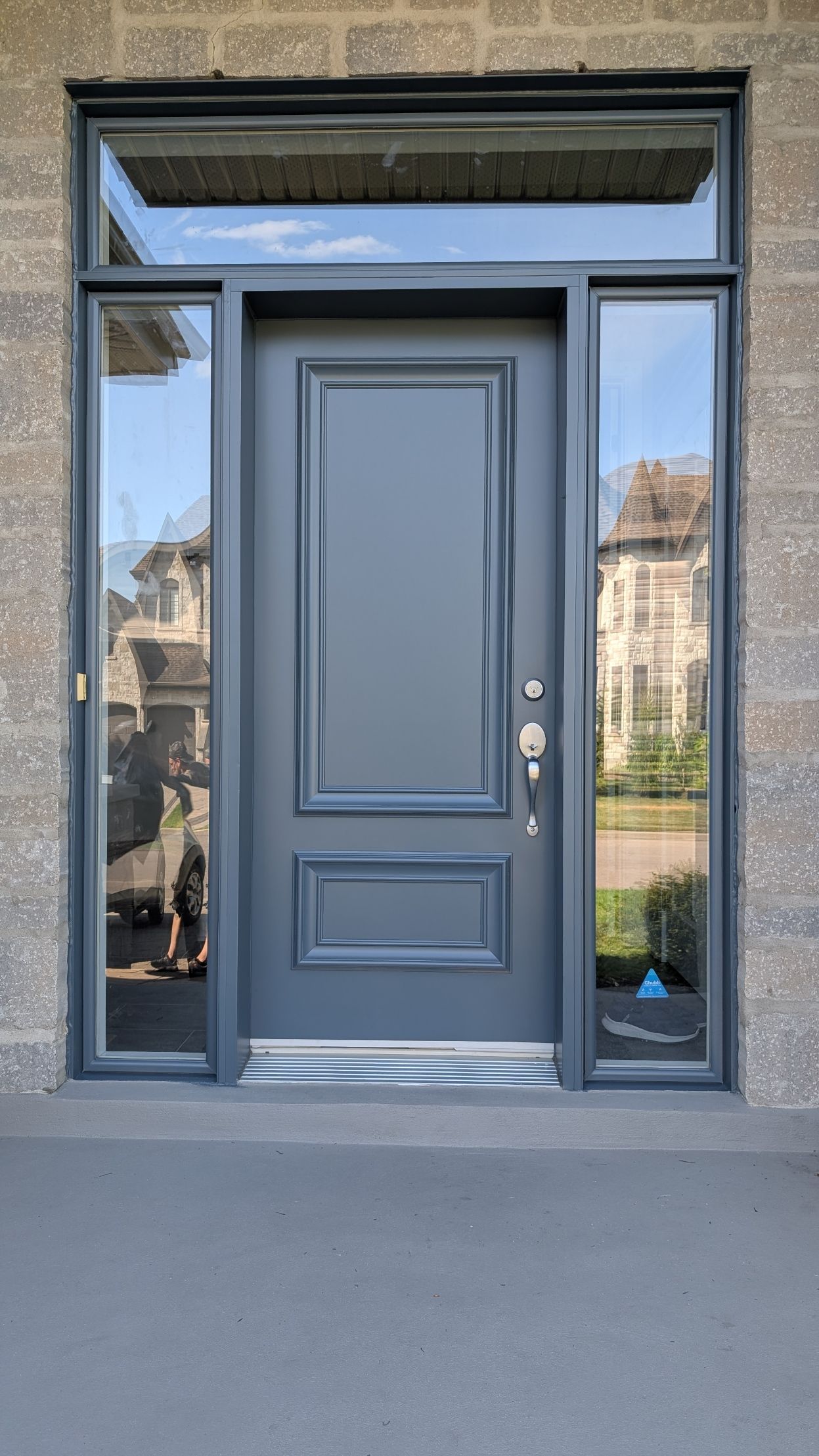
What Is the Best Season to Paint the Exterior of a House in Quebec?
The ideal period is between May and October, when temperatures are stable between 10°C and 35°C and humidity is low. Paint needs temperate conditions to dry properly and adhere correctly. We avoid working during heat waves or in overly humid weather, as this affects result quality. For wood staining, the period between June and September is particularly favourable.
How Long Does Exterior Paint Last?
Generally, well-applied exterior paint lasts between 5 and 15 years depending on the siding type and its exposure to the elements. Wood requires more frequent maintenance (3 to 7 years), while brick can last up to 15 years. Durability also depends on preparation quality and products used. Our Sherwin-Williams paints are known for their resistance to Quebec's climate conditions.
Do I Need to Prepare Anything Before the Team Arrives?
For interior work, we ask that you remove fragile objects and wall decorations from the rooms to be painted. We take care of protecting floors and furniture. For exterior work, make sure we have access to the surfaces to be treated and that flower beds near walls are cleared. If you have specific questions about your project, we'll discuss them during the estimate.
What Is the Difference Between Stain and Paint for Wood?
Stain penetrates the wood fibres to protect it while letting the natural grain show through. It generally requires only one coat and is suitable for surfaces where you want to preserve the wood's appearance. Paint forms a protective film on the surface that completely hides the wood. It requires two coats and offers more waterproof protection. We'll advise you on the best choice based on your wood's condition and desired result.
How Long Should I Wait Before Using a Room After Painting?
For interior painting, you can generally return to the room 12 to 24 hours after the last coat is applied. However, we recommend being careful not to touch the walls for at least 12 hours, as the paint hasn't fully cured yet. The Sherwin-Williams products we use dry quickly, but good ventilation speeds up the process. We'll give you specific instructions based on the products applied.
Do I Need to Be Present During the Work?
Your presence isn't required throughout the entire project. We need to meet with you at the start of the project to confirm details and colour choices, and at the end for the final inspection. Many of our clients leave us the keys and go about their day. We'll keep you informed of progress and contact you if a decision is needed along the way.
What Does Your Estimate Include?
Our estimate details the work to be done, the products to be used, the number of coats planned and the timeline. The price includes labour, materials, surface preparation and worksite cleanup. We explain each element during our visit. If additional work becomes necessary once the project has started, we inform you before proceeding.
Why Is Preparation So Important Before Painting?
Preparation often represents 50% of the work. A poorly prepared surface prevents paint from adhering properly, causing premature peeling and blistering. Pressure washing, sanding, imperfection repair and primer application create the necessary conditions for paint to last over time. It's the difference between work that lasts 3 years and work that lasts 10 years.
Can Weather Delay My Exterior Work?
Yes. We cannot paint in the rain, in cold weather or during heat waves. High humidity slows drying and can cause blistering. We monitor weather forecasts closely and inform you if rescheduling is necessary. That's why we recommend planning your exterior work early in the season to have some flexibility.